How to Maintain Your Home and Business Electrical Systems Year-Round
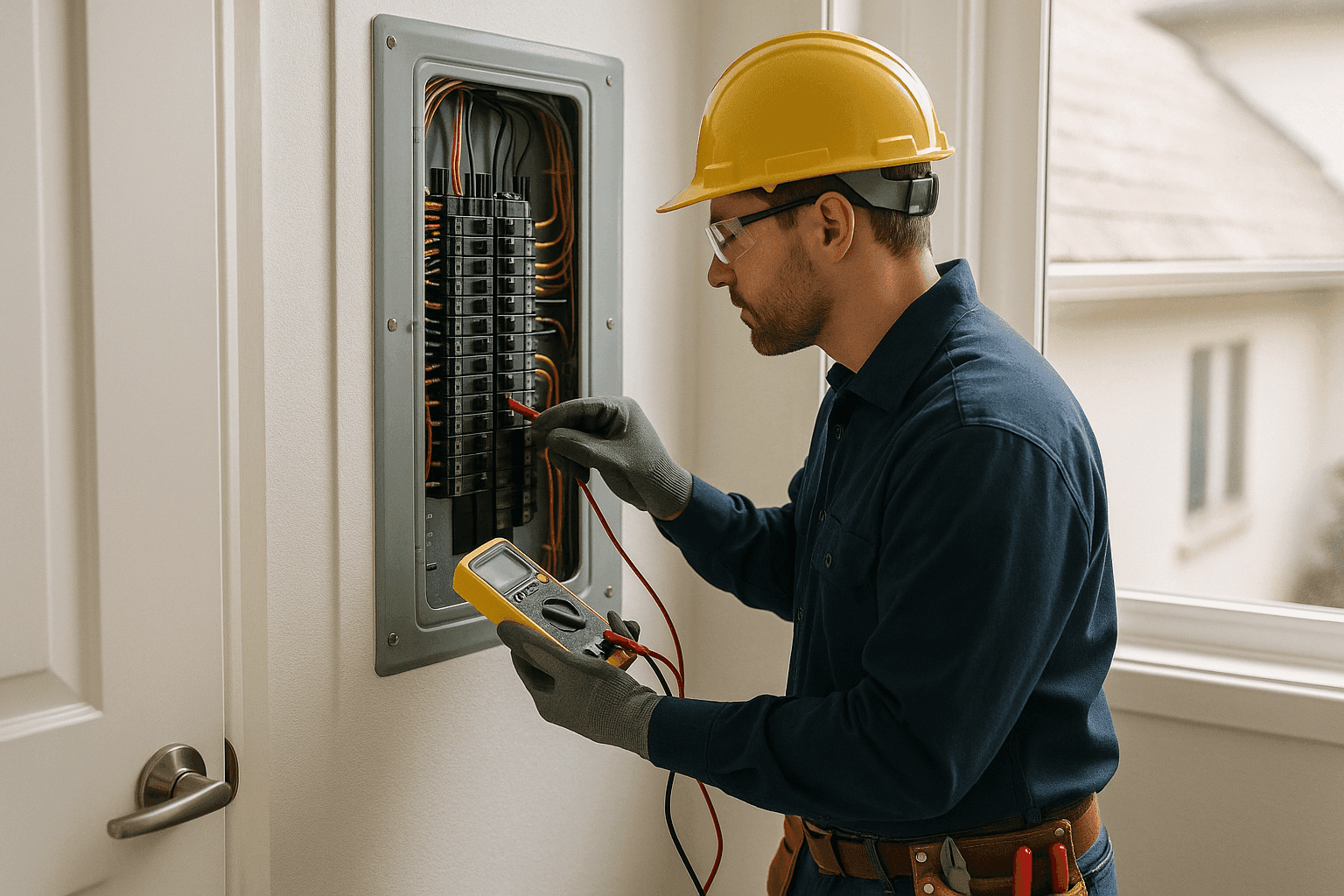
Keeping your home or business humming along is about more than just paying the bills on time. The heart of every property beats through its electrical system—wires tucked behind walls, outlets hiding in corners, switches you flick without a thought. But when something goes wrong, it can feel like the lights go out on your whole world.
At Electric Saints, we know how fast things can change. One minute, everything works. The next, you’re searching for an emergency electrician, wondering what went wrong. Regular electrical maintenance is your best defense. Let’s break down what you need to know to keep things safe, efficient, and stress-free all year.
Why Electrical Maintenance Matters ⚡
Think of your electrical system like the nervous system of your property. When signals get crossed or wires wear out, problems can ripple through every room. Regular checkups are about more than avoiding flickering lights—they protect your family, your livelihood, and your peace of mind.
- Safety: Faulty wiring and overloaded circuits are among the top causes of electrical fires, according to the National Fire Protection Association (NFPA).
- Efficiency: Well-maintained systems use less energy, saving you money and reducing your carbon footprint.
- Longevity: Just like a car, a little care now prevents expensive breakdowns later.
Ignoring maintenance is like ignoring a leaky roof—you might not notice at first, but the damage builds up.
Quick Electrical Safety Checklist
Want to catch small problems before they turn into big headaches? Here’s a quick checklist you can run through every season:
- Test smoke and carbon monoxide detectors monthly. Change batteries twice a year.
- Check outlets and switches for signs of wear, discoloration, or buzzing sounds.
- Make sure cords aren’t frayed or pinched under furniture.
- Flip circuit breakers off and on to ensure they’re not sticking.
- Look for flickering lights or frequent bulb burnouts.
- Keep electrical panels accessible—never block them with boxes or furniture.
- Test GFCI outlets (those with “reset” and “test” buttons) in kitchens, bathrooms, and outdoors.
- Unplug appliances when not in use, especially before storms.
- Schedule a professional inspection if you notice burning smells or sparks.
If anything feels off, don’t ignore it. Small clues can point to bigger issues.
Seasonal Maintenance Tips
Each season brings its own challenges. Here’s how to stay ahead:
Spring & Summer
- Inspect outdoor outlets and lighting for weather damage.
- Check pool and spa wiring for corrosion or exposed wires.
- Prepare for storm season by securing backup generators and surge protectors.
- Trim trees and shrubs away from overhead power lines.
Fall & Winter
- Test heating appliances and electric blankets before cold weather hits.
- Inspect attic and basement wiring for signs of rodent damage.
- Make sure holiday lights and decorations are rated for indoor/outdoor use.
- Prepare for power outages with charged flashlights and generator checks.
A few minutes each season can save hours of hassle later.
DIY vs. When to Call a Pro
It’s tempting to tackle electrical fixes with a toolbox and a YouTube video. Some tasks are safe for handy homeowners. Others need a certified electrician—no exceptions.
Safe for DIY:
- Replacing light bulbs and batteries in detectors
- Testing GFCI outlets and resetting tripped breakers
- Plugging and unplugging appliances
Call the Pros for:
- Flickering or dimming lights that don’t fix with a new bulb
- Outlets or switches that feel hot, buzz, or spark
- Replacing or installing outlets, switches, or fixtures
- Tripping breakers that won’t reset
- Any wiring or panel work
Electricity is powerful. Even a small mistake can lead to shocks, fires, or long-term damage. When in doubt, play it safe.
What Certified Electricians Do On Arrival
When you call Electric Saints, we arrive ready to tackle the unknown. Here’s what happens next:
- Assessment: We listen to your concerns and check for immediate hazards.
- Inspection: Using specialized tools, we test outlets, breakers, and wiring for faults.
- Diagnosis: We pinpoint the root cause—sometimes it’s a single outlet, other times it’s a bigger wiring issue.
- Repair or Recommendation: We fix what’s safe to fix right away, and if needed, outline a plan for larger repairs.
- Safety Check: Before we leave, we make sure everything is up to code, referencing standards like the National Electrical Code (NEC).
Our goal? To get you back to normal—safely and efficiently.
Prevention & Maintenance: Keeping Systems Healthy
An ounce of prevention is worth a pound of rewiring. Here’s how to care for the most common electrical components:
Outlets & Switches
- Don’t overload outlets with too many devices.
- Use outlet covers in homes with children.
- Replace any outlet that’s loose, cracked, or discolored.
Panels & Breakers
- Keep the panel door shut and area clear.
- If breakers trip often, have them checked—don’t just reset and forget.
- Label circuits clearly for quick identification.
Wiring & Circuits
- Avoid DIY splices or “temporary” fixes.
- Watch for signs of aging: cracked insulation, exposed copper, or persistent smells.
- Schedule periodic professional inspections—especially in older buildings.
Appliances & Equipment
- Unplug unused appliances to prevent phantom loads.
- Follow manufacturer maintenance guidelines.
- Don’t use extension cords as permanent solutions.
Smoke & Carbon Monoxide Detectors
- Test monthly, replace batteries twice a year.
- Replace the entire unit every 7–10 years, per manufacturer recommendations.
Surge Protection
- Use surge protectors for computers, TVs, and sensitive equipment.
- Consider whole-home or business surge protection for extra peace of mind.
Routine care is the best way to avoid emergencies and keep everything running smoothly.
How Professional Inspections Prevent Emergencies
A certified electrician doesn’t just fix what’s broken—they spot trouble before it starts. Here’s how inspections help:
- Identify hidden hazards: Many electrical issues hide behind walls or in attics. Pros use tools and experience to spot risks early.
- Catch code violations: Outdated wiring or DIY fixes may not meet current safety standards.
- Prevent costly downtime: For businesses, a surprise outage can mean lost revenue. Regular inspections keep you ahead of problems.
- Insurance and safety certificates: Many insurers require up-to-date inspection certificates for coverage.
According to the Electrical Safety Foundation International (ESFI), regular inspections reduce the risk of electrical fires and improve system reliability.
Costs & Time Factors
Electrical maintenance doesn’t have to break the bank or eat up your week. Here’s what to expect:
- Time: Most routine inspections take 1–2 hours. Larger properties or complex systems may take longer.
- Cost: Prices vary based on the scope of work, but catching problems early usually costs less than emergency repairs or major replacements.
- Downtime: Most maintenance can be performed with minimal disruption. For critical repairs, we work to keep your home or business running.
Think of it as an investment in safety and peace of mind.
When It’s an Emergency
Some electrical problems can’t wait. If you notice any of these signs, call an emergency electrician immediately:
- Burning smells or smoke from outlets, panels, or appliances
- Visible sparks or arcing
- Power loss to critical systems (refrigerators, medical equipment, security systems)
- Water damage near electrical components
- Repeated breaker trips, especially after storms
Don’t try to fix these issues yourself. Shut off power if safe, and call for help right away.
Frequently Asked Questions
How often should I have my electrical system inspected?
Most homes and small businesses should schedule a professional inspection every 3–5 years, or if you notice any warning signs. Older properties or those with recent renovations may need more frequent checks.
Can I do my own electrical repairs?
Simple tasks like changing bulbs or replacing batteries are safe for most people. For anything involving wiring, panels, or permanent fixtures, it’s safest to call a certified electrician.
What’s the most common cause of electrical emergencies?
Overloaded circuits, faulty wiring, and neglected maintenance top the list. Regular inspections and prompt repairs are the best way to prevent emergencies.
Are surge protectors really necessary?
Yes—especially for sensitive electronics and appliances. Power surges can happen any time, not just during storms.
Special Considerations for Homeowners & Small Businesses
Every property is unique. Here are a few extra tips:
- Homeowners: If you’re planning renovations, consult an electrician early to ensure wiring meets current codes.
- Small businesses: Keep maintenance records and schedule regular safety checks. Downtime costs more than prevention.
- EV chargers & generators: These require specialized installation and maintenance. Don’t DIY—call a pro.
- Pools & spas: Water and electricity are a risky mix. Always use certified equipment and schedule routine inspections.
- Home automation & security: Integrate new tech with existing wiring safely—never overload circuits.
Taking these steps keeps your property safe, efficient, and ready for anything the year brings.
Call Electric Saints now — or reach us anytime at 877-748-7096 .